
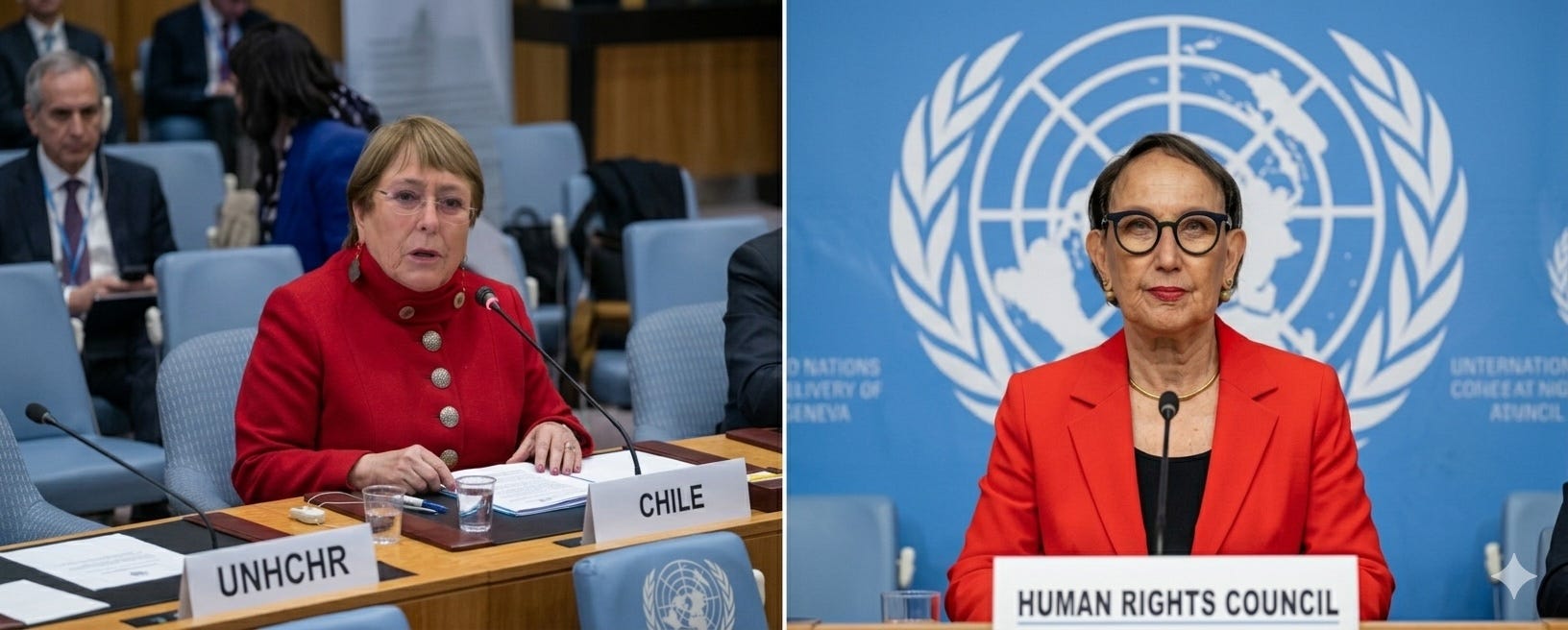
For eighty years, the United Nations has functioned as the world’s most prominent advocate for gender parity, yet its own leadership record remains a list of nine men. As the 2026 selection process gains momentum, the institution faces a clear irony: it cannot continue to preach equality to the world while perpetuating a century-long streak of male leadership at the top. The question for 2026 isn’t whether qualified women exist—the current field of candidates has rendered that excuse obsolete—but whether the Security Council is finally ready to retire the Velvet Veto.
This invisible barrier isn’t a loud, public rejection; it is a soft, structural exclusion where gender bias is often disguised as geopolitical necessity. Historically, the five permanent members (P5) of the Security Council have prioritized a specific leadership archetype: the technocratic “Secretary” rather than the assertive “General.” This preference has often left women in a double bind. A female candidate that is assertive is labeled as confrontational by powers like Russia and China, who prioritize sovereignty and non-interference. If she is collaborative, she is often dismissed by Western powers like the US or UK as lacking the spine required for global reform.
Today, however, the merit argument has no legs to stand on. The two leading contenders from Latin America—the region widely considered next in line for the presidency post—bring resumes that dwarf many of their predecessors. Michelle Bachelet, a two-term president of Chile and former UN Human Rights chief, represents the “General.” Her candidacy is a direct challenge to the status quo; she has the political gravity of a head of state and a proven record of speaking truth to power. On the other side is Rebeca Grynspan, the current head of UN Trade and Development and a former Vice President of Costa Rica. She is the institutional mastermind, a candidate who knows the UN’s internal machinery so well that she could arguably bridge the gap between Western demands for reform and the East’s preference for administrative pragmatism.
If in 2026 the UN bypasses these figures, it won’t be because a viable woman couldn’t be found. It will be a sign that the P5 are still adhering to the patriarchal power structure that prizes predictability over progress. There is also the cynical possibility of the “glass cliff”—the idea that the UN is only considering a woman now because the institution is in a state of paralysis over conflicts in Ukraine, Gaza, and more recently, Iran, looking for a new face to manage its potential decline.
Ultimately, the 2026 race is a referendum on the UN’s soul. If the Security Council continues to rely on a patriarchal power structure that prizes predictability over progress, the Velvet Veto will remain the institution’s most enduring tradition. For the UN to remain credible in the 21st century, it must stop treating half the global population as a diversity goal and start treating them as the crisis managers the world clearly needs.